Whittier
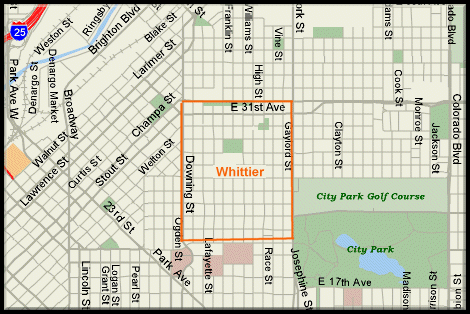
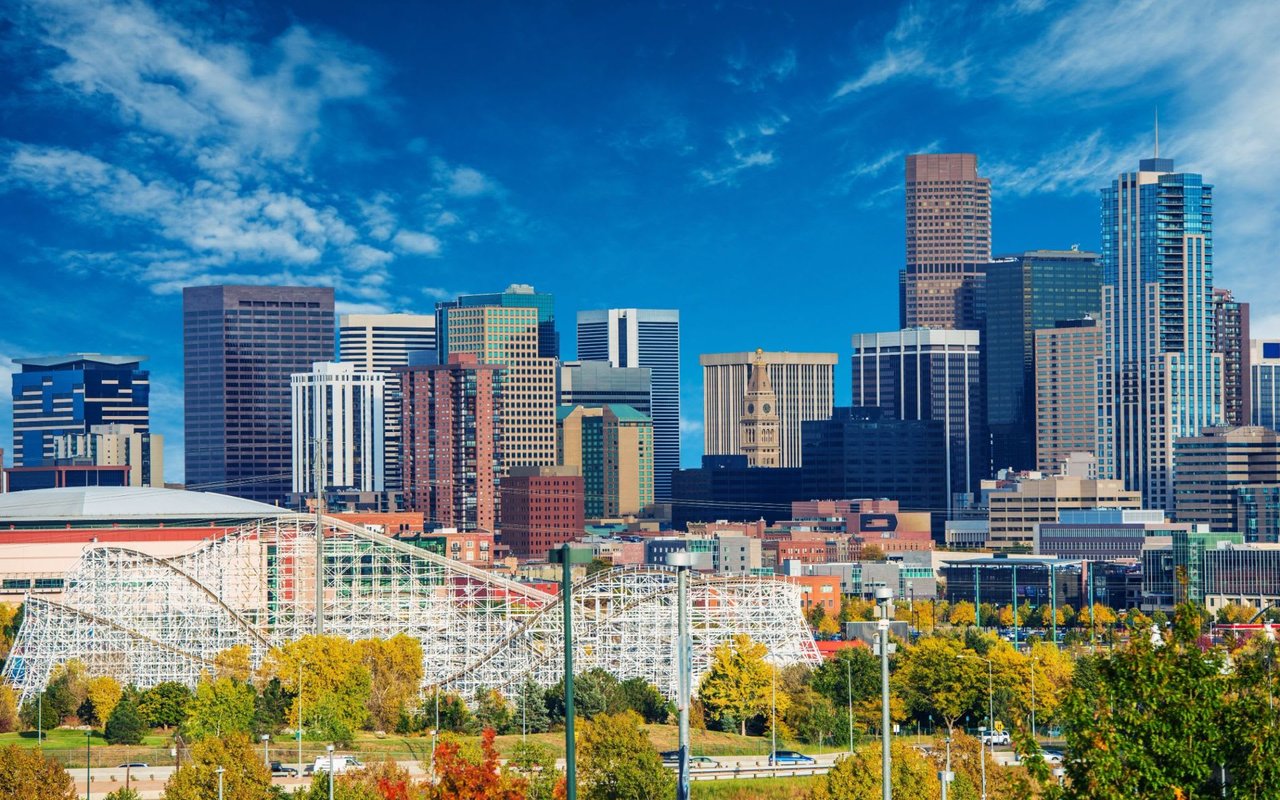
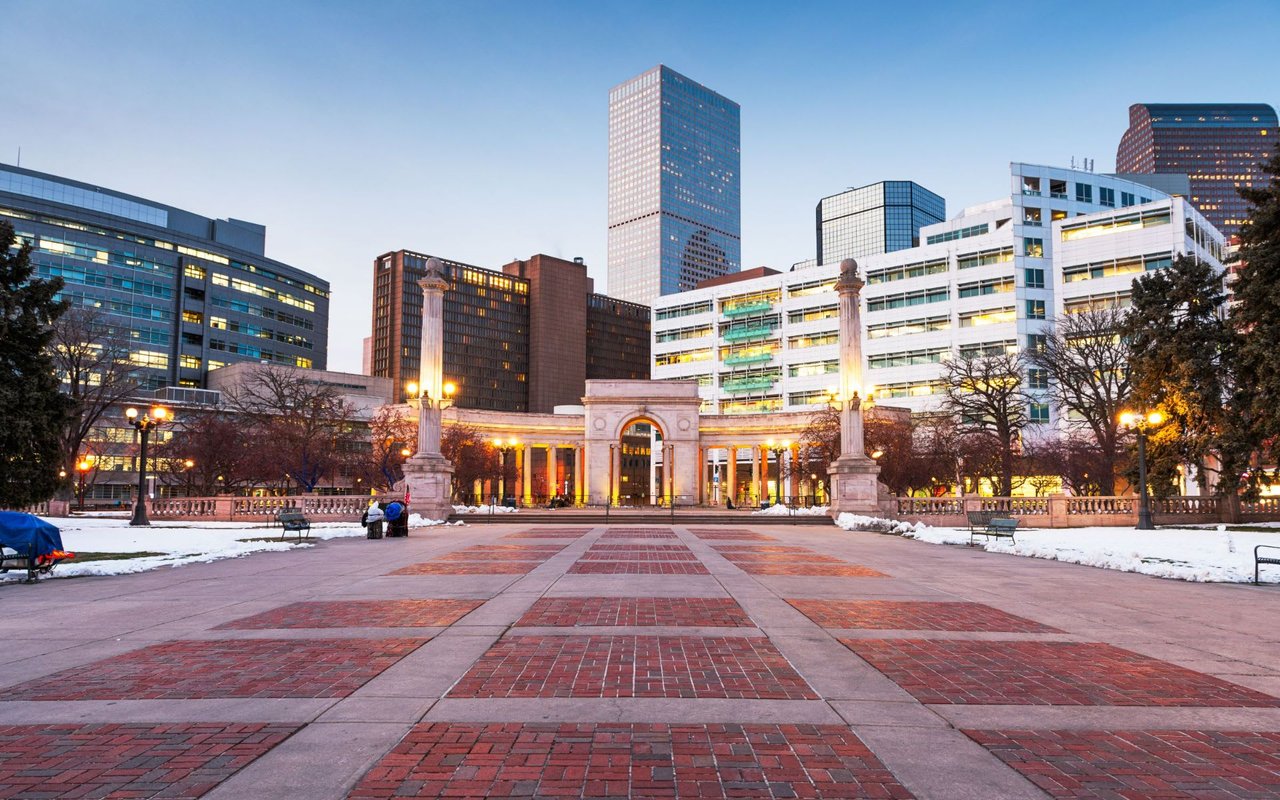
A historic Denver neighborhood northeast of downtown, adjacent to Five Points and west of City Park.
A historic Denver neighborhood northeast of downtown, adjacent to Five Points and west of City Park.
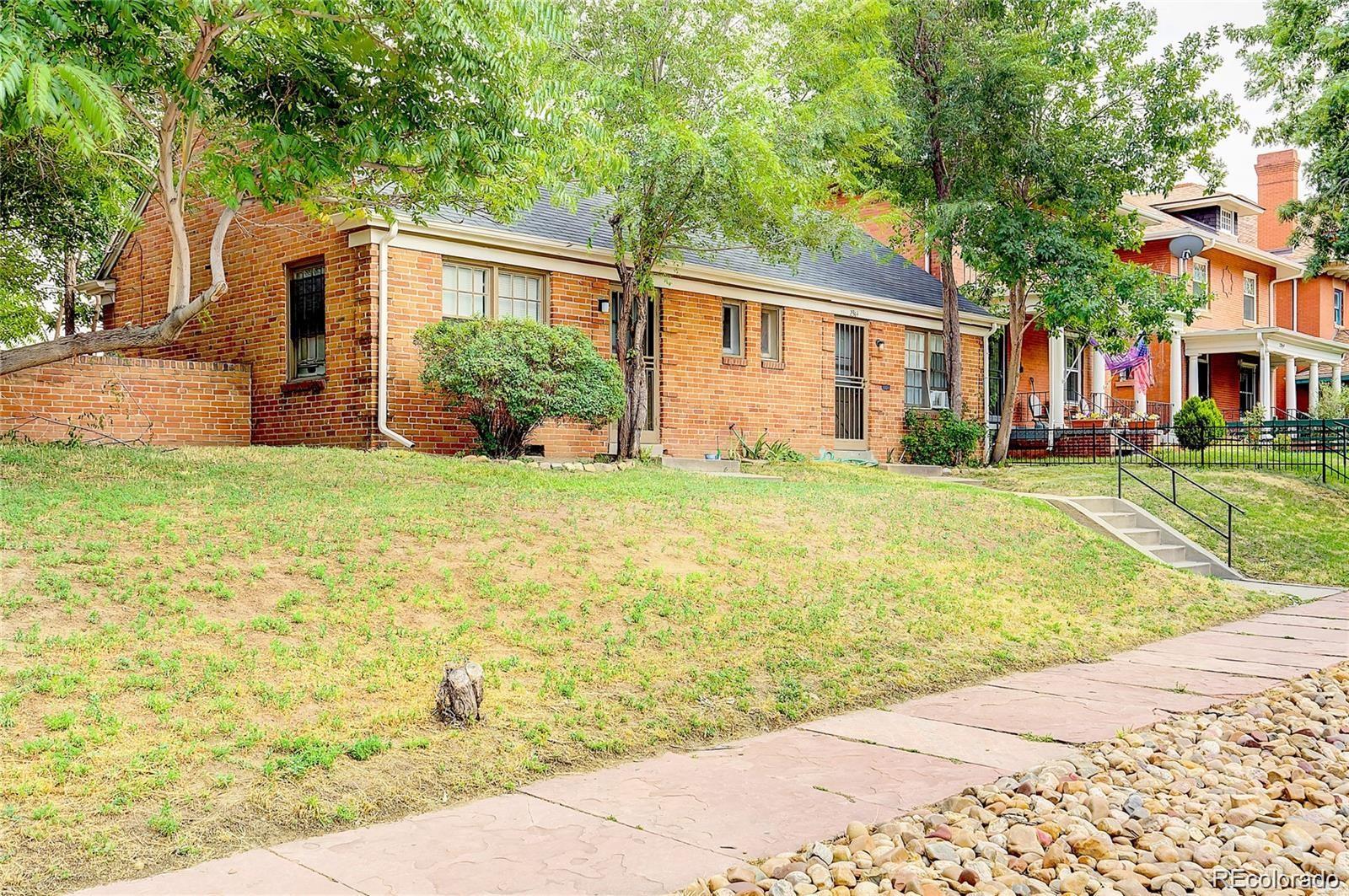
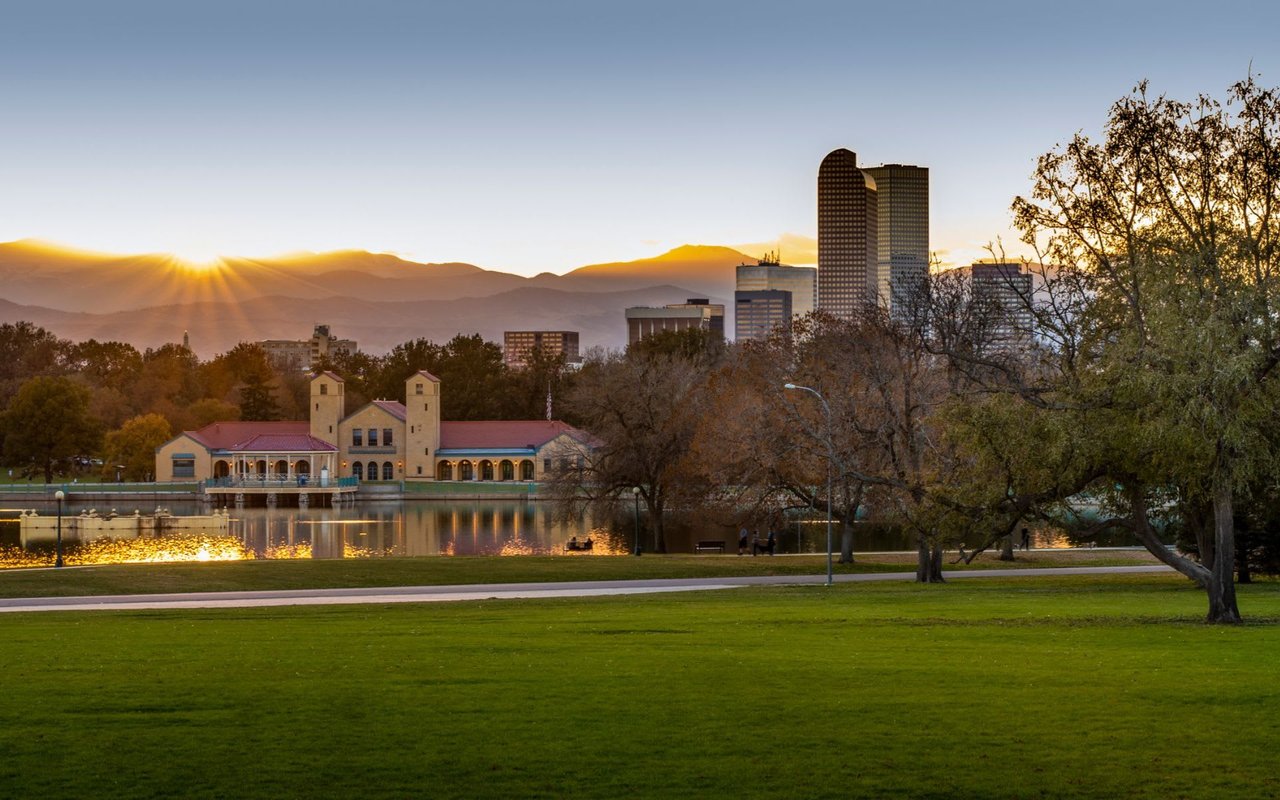
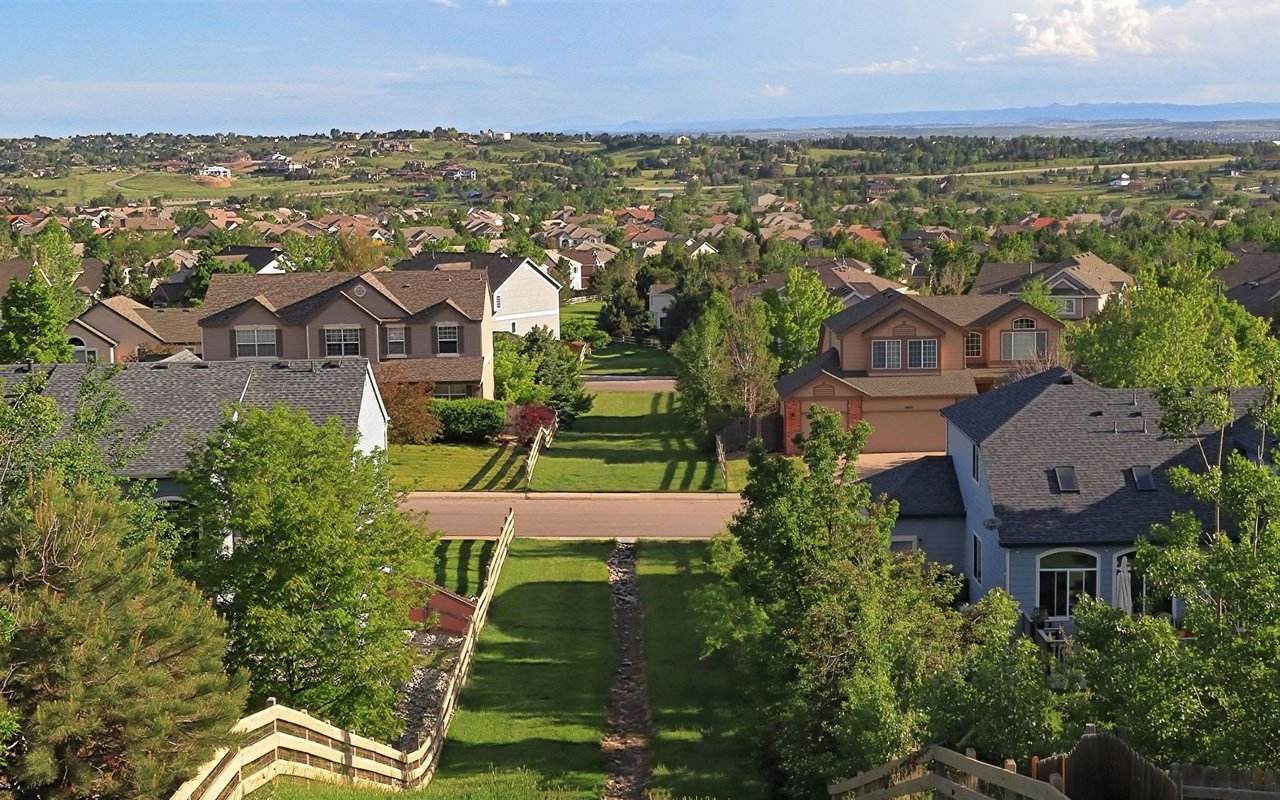
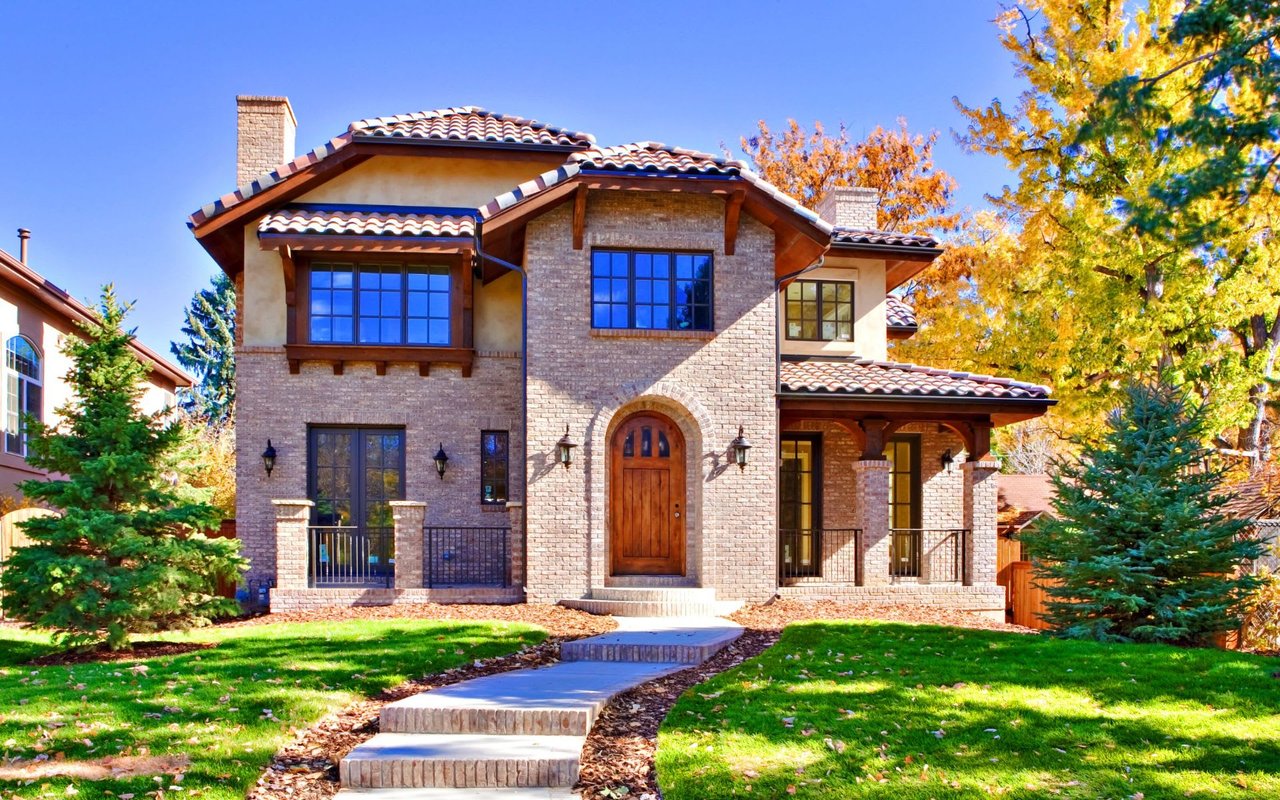
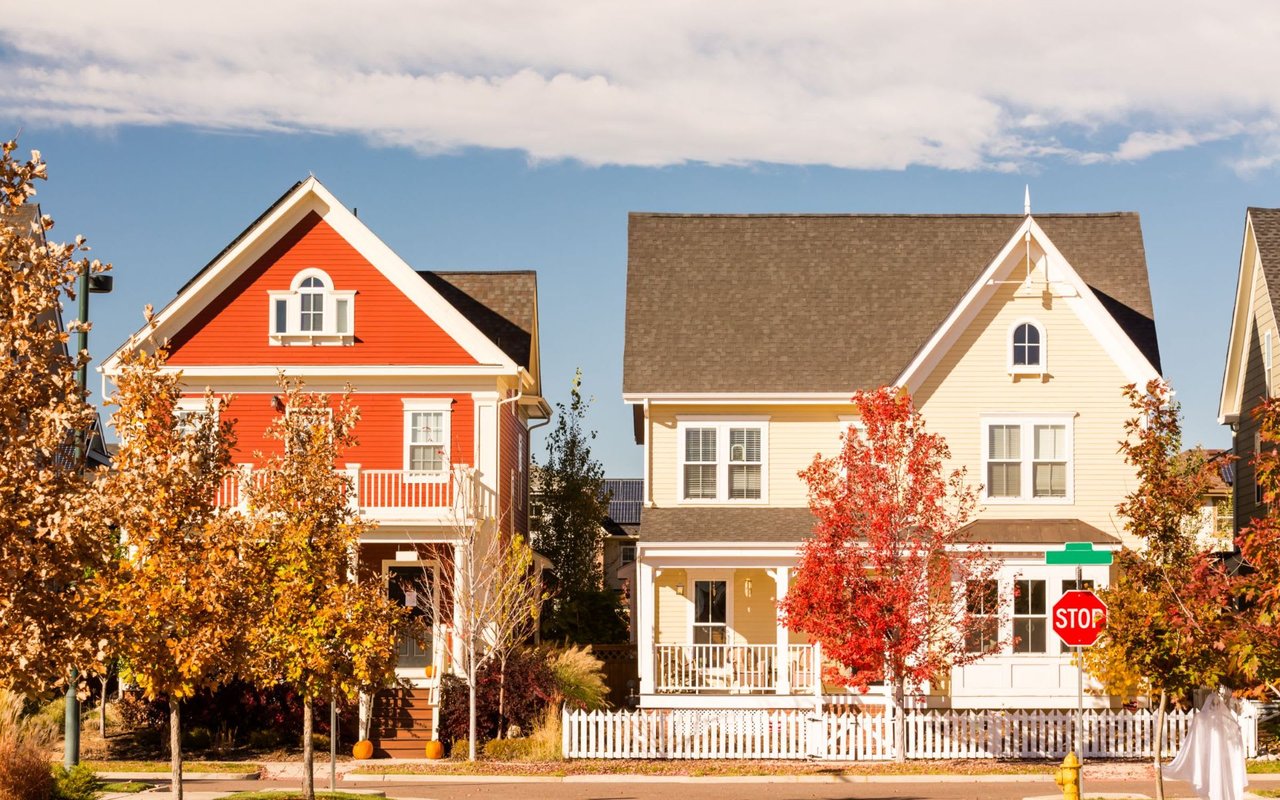
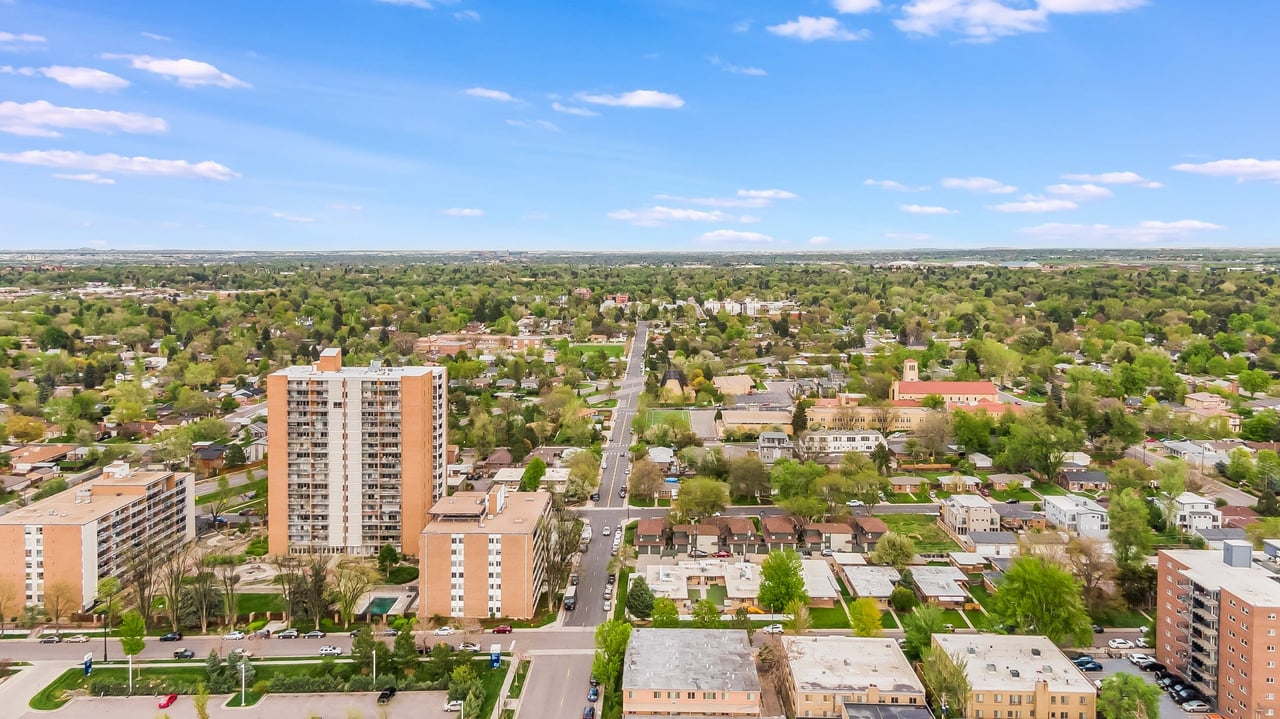
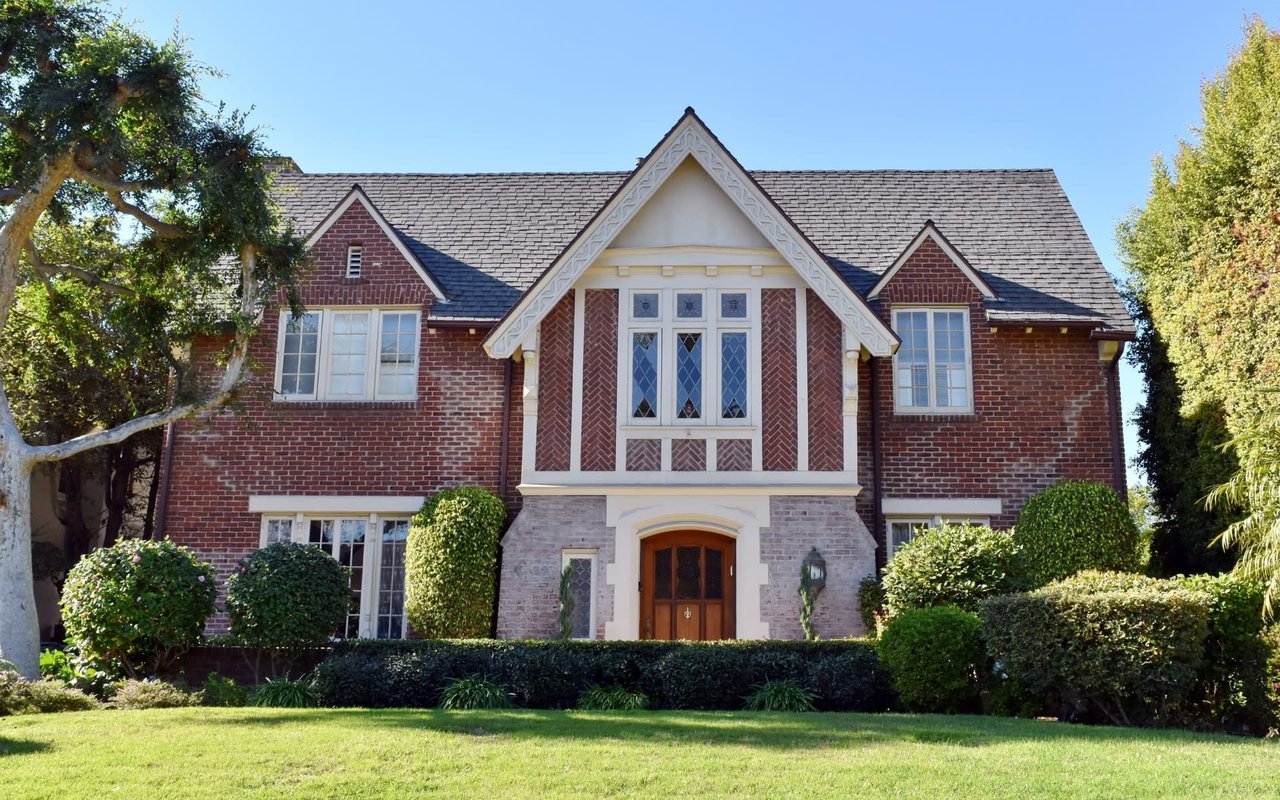
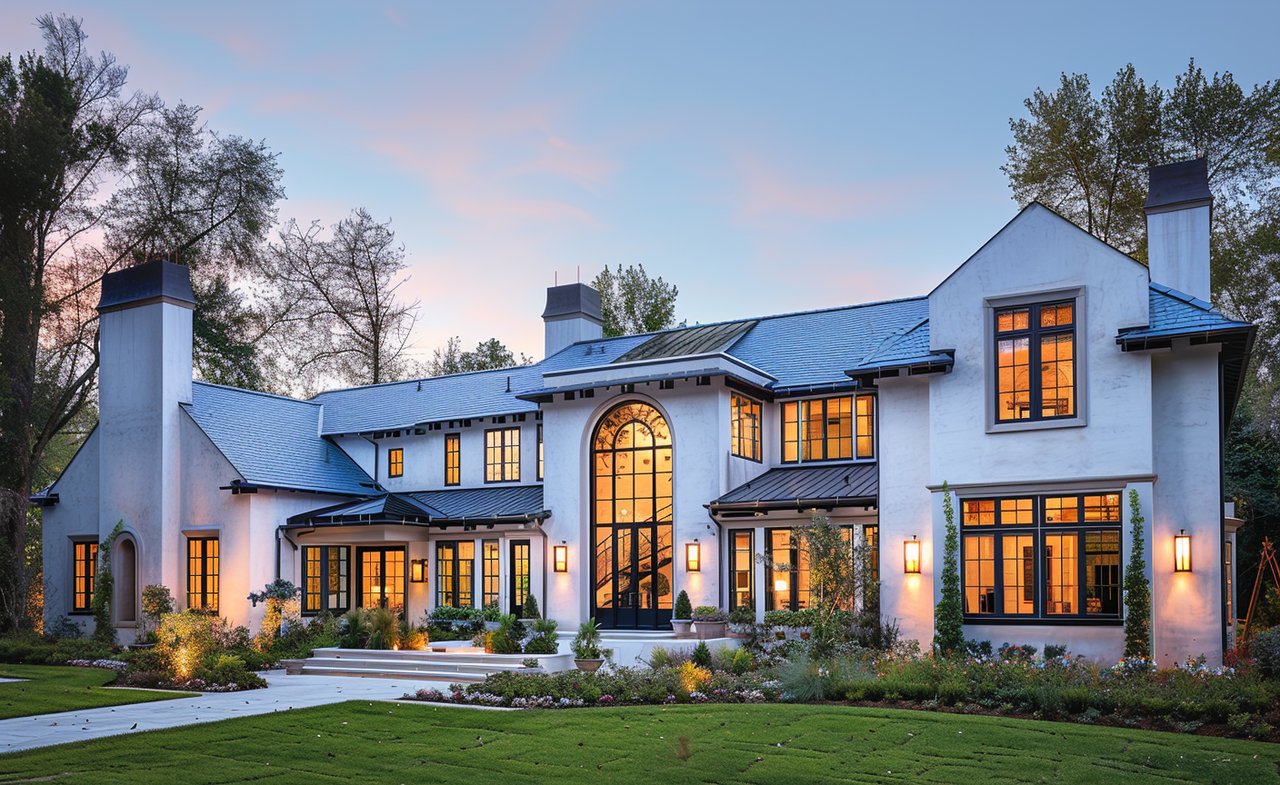
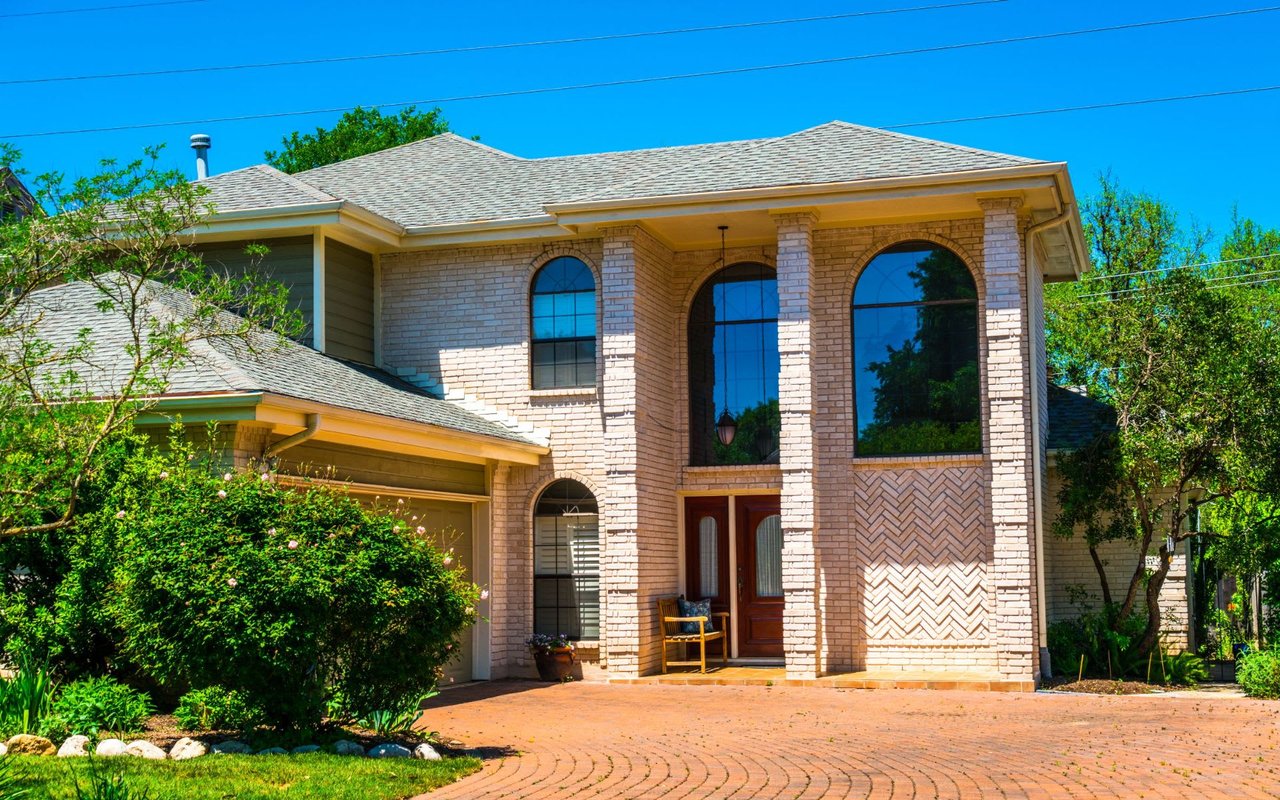
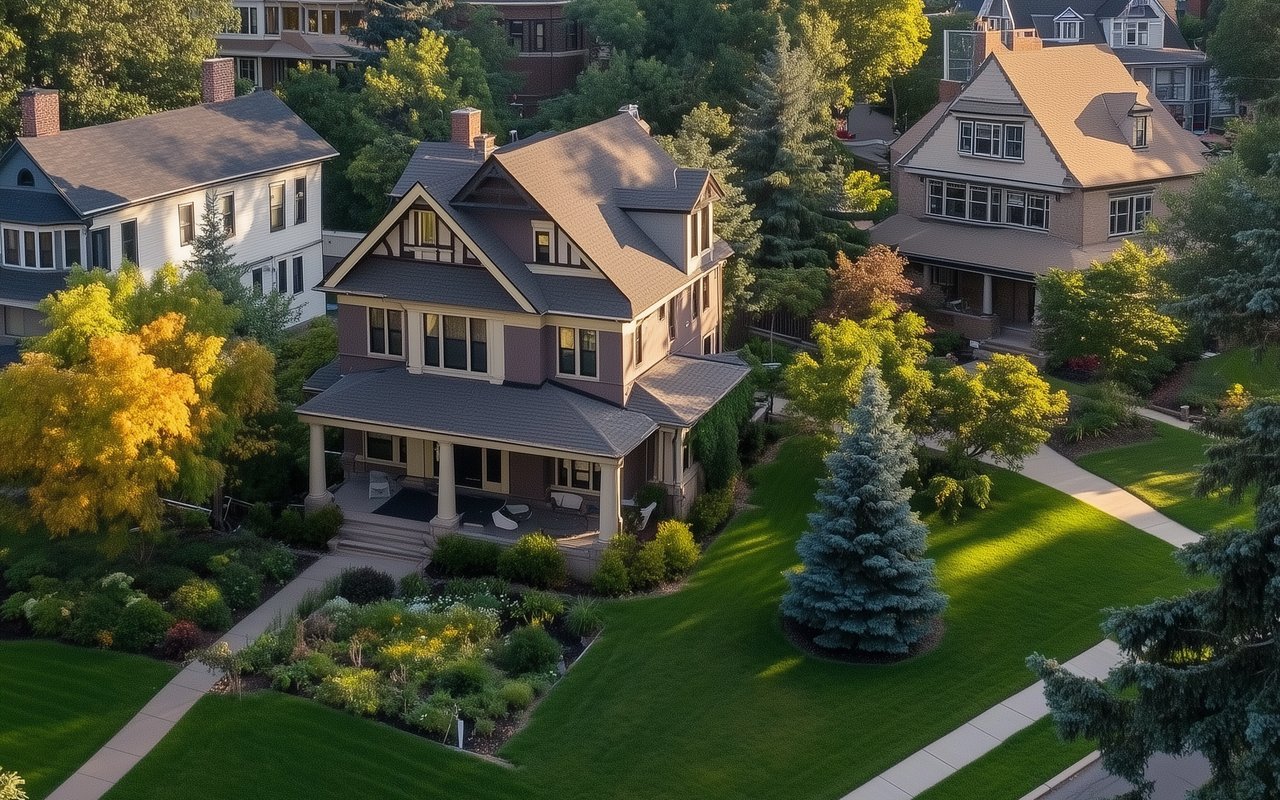
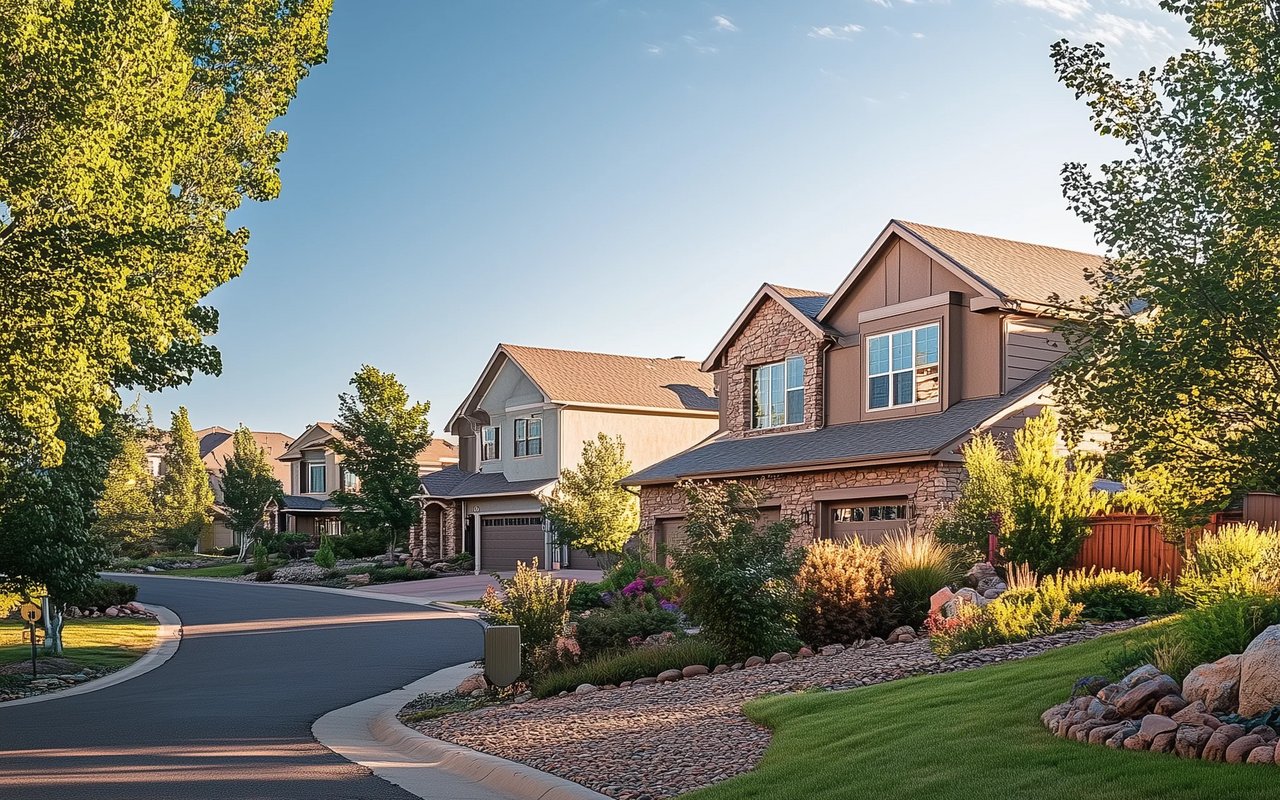
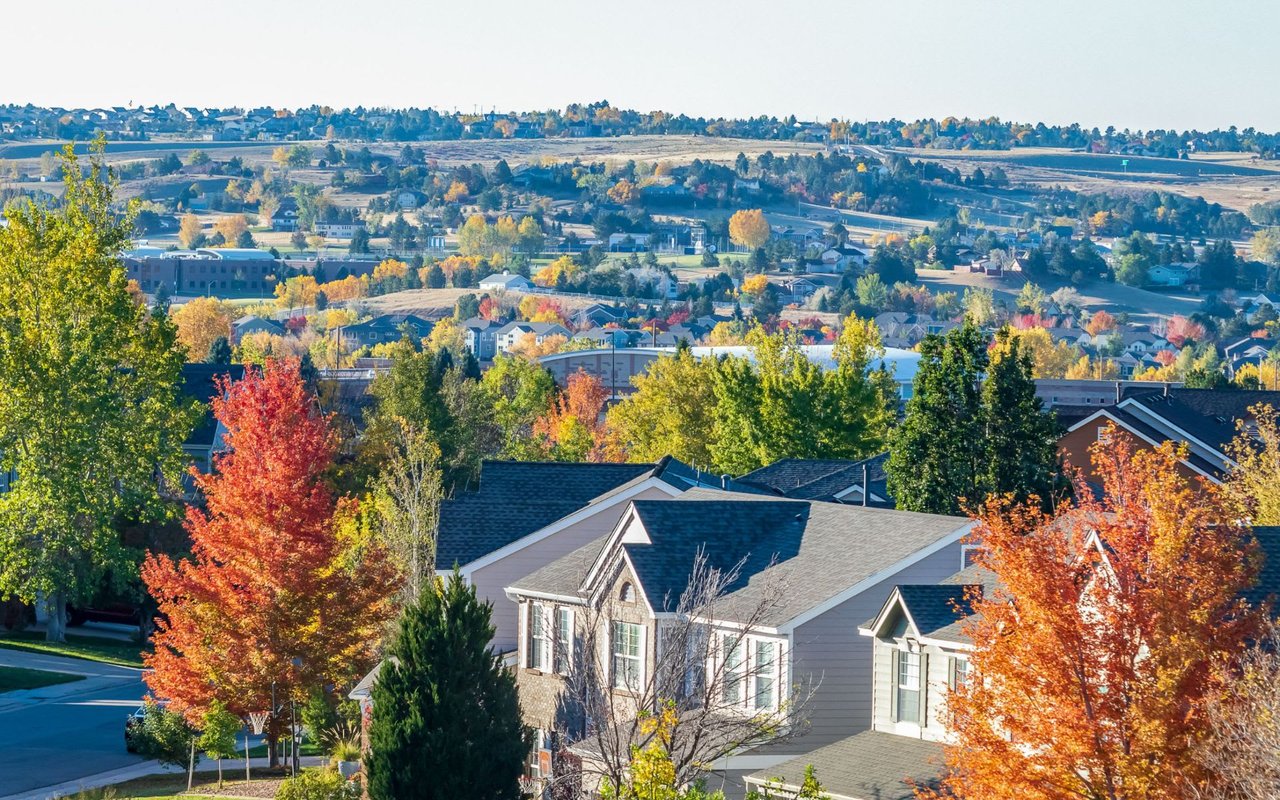
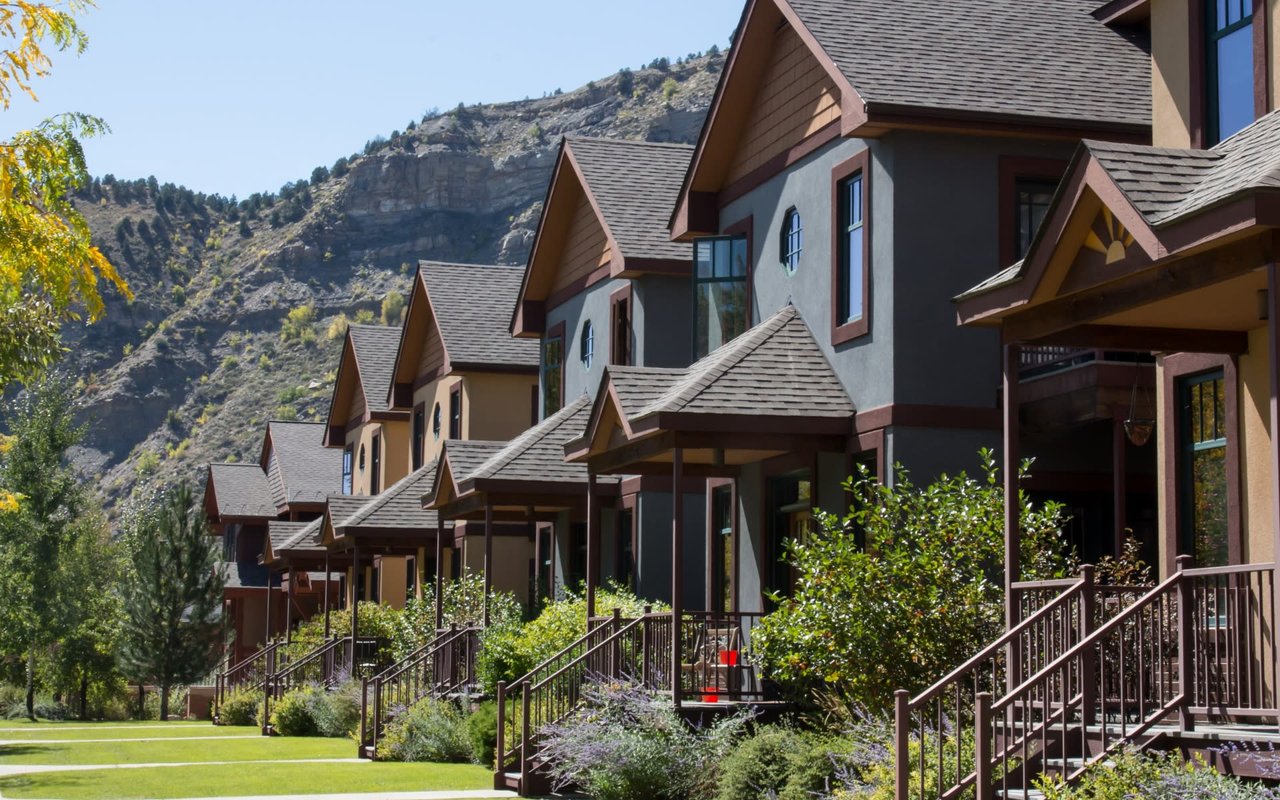
Whittier is a historic Denver neighborhood northeast of downtown, adjacent to Five Points and west of City Park. The neighborhood is predominantly single-family homes on tree-lined streets. Most of the homes were built in the early 20th century as Denver’s population continued to expand eastward from Downtown Denver’s first “suburban” neighborhoods of Capitol Hill and Curtis Park. Early residents of this neighborhood, first registered in 1868, included the University of Denver founder Alfred Case and early Denver attorney Jacob Downing, who is also credited with promoting Denver’s park system. Carpenters, bricklayers, and metal workers also settled in Whittier, building Victorian, traditional Denver Square and Queen Anne-style homes.
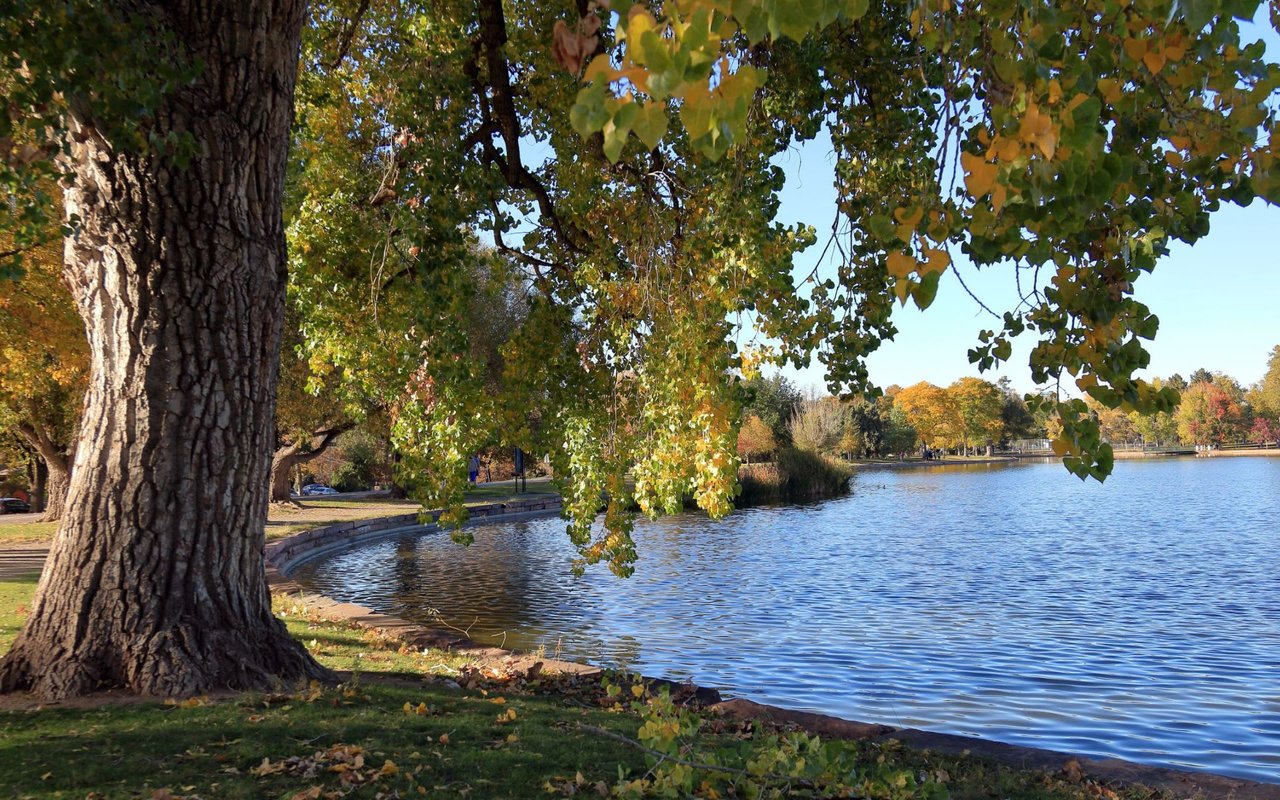
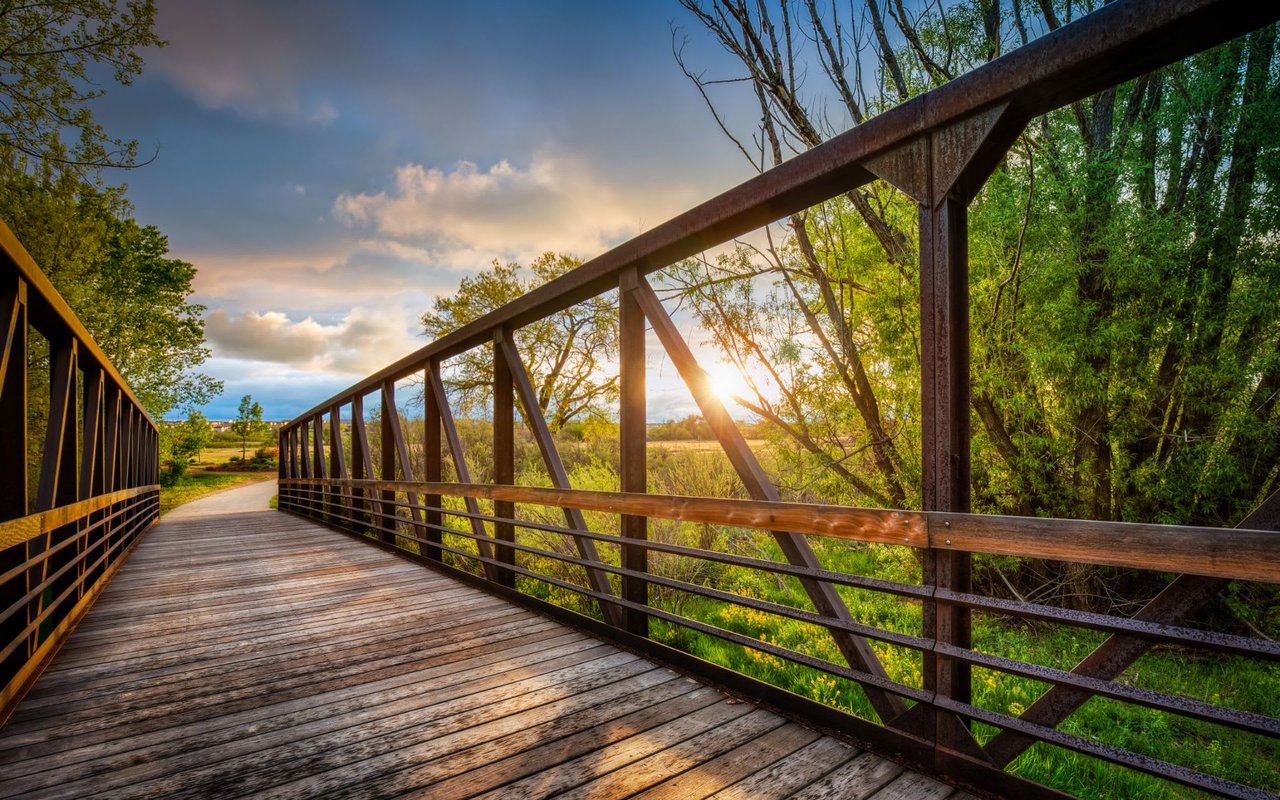
Convenient access is available to retail, restaurants, and services in Five Points and Uptown. City Park, one of Denver’s biggest parks, and City Park Golf Course lie just east of Whittier. One of the most prominent landmarks in Wittier is St. Ignatius Loyola Church on the corner of 23rd & York Street in the neighborhood’s southwest corner. The Gothic red brick church was completed in 1924 with twin bell towers. It was a prominent middle-class congregation with more than 1.100 parishioner families in 1940. St. Ignatius Loyola has played an important role in bringing about racial integration in Denver and the neighborhood west of the City Park. In 1996, Loyola church was placed on both the National and Colorado State Registers of Historic Places.
Curtis Park
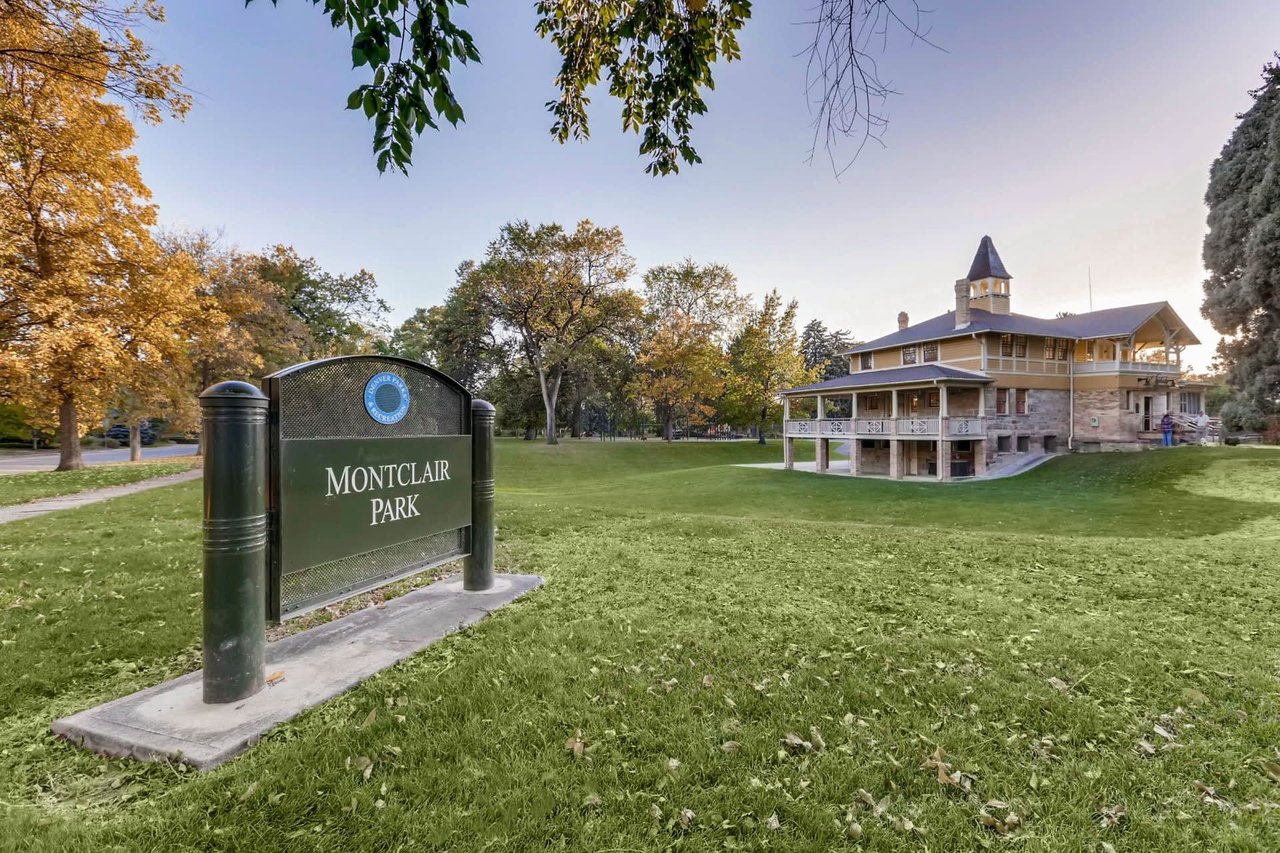
Fuller Park
To Downtown: 6 min
To shopping: 13 min
Major Highway: 4 min
Walk score: 80
Bike score: 96
Transit score: 55
4,352 people live in Whittier, where the median age is 34 and the average individual income is $74,357. Data provided by the U.S. Census Bureau.
Total Population
Median Age
Population Density Population Density This is the number of people per square mile in a neighborhood.
Average individual Income
There's plenty to do around Whittier, including shopping, dining, nightlife, parks, and more. Data provided by Walk Score and Yelp.
Explore popular things to do in the area, including Follow the Smoke BBQ, Morning Rx Coffee, and Bully Breed Fitness.
| Name | Category | Distance | Reviews |
Ratings by
Yelp
|
|---|---|---|---|---|
| Dining | 0.24 miles | 0 reviews | 0/5 stars | |
| Dining | 0.24 miles | 0 reviews | 0/5 stars | |
| Active | 0.24 miles | 0 reviews | 0/5 stars | |
| Beauty | 0.24 miles | 0 reviews | 0/5 stars | |
| Beauty | 0.24 miles | 0 reviews | 0/5 stars | |
| Beauty | 0.24 miles | 0 reviews | 0/5 stars | |
|
|
||||
|
|
||||
|
|
||||
|
|
||||
|
|
||||
|
|
Whittier has 2,133 households, with an average household size of 2. Data provided by the U.S. Census Bureau. Here’s what the people living in Whittier do for work — and how long it takes them to get there. Data provided by the U.S. Census Bureau. 4,352 people call Whittier home. The population density is 7,728 and the largest age group is Data provided by the U.S. Census Bureau.
Total Population
Population Density Population Density This is the number of people per square mile in a neighborhood.
Median Age
Men vs Women
Population by Age Group
0-9 Years
10-17 Years
18-24 Years
25-64 Years
65-74 Years
75+ Years
Education Level
Total Households
Average Household Size
Average individual Income
Households with Children
With Children:
Without Children:
Marital Status
Blue vs White Collar Workers
Blue Collar:
White Collar:
We pride ourselves in providing personalized solutions that bring our clients closer to their dream properties and enhance their long-term wealth.